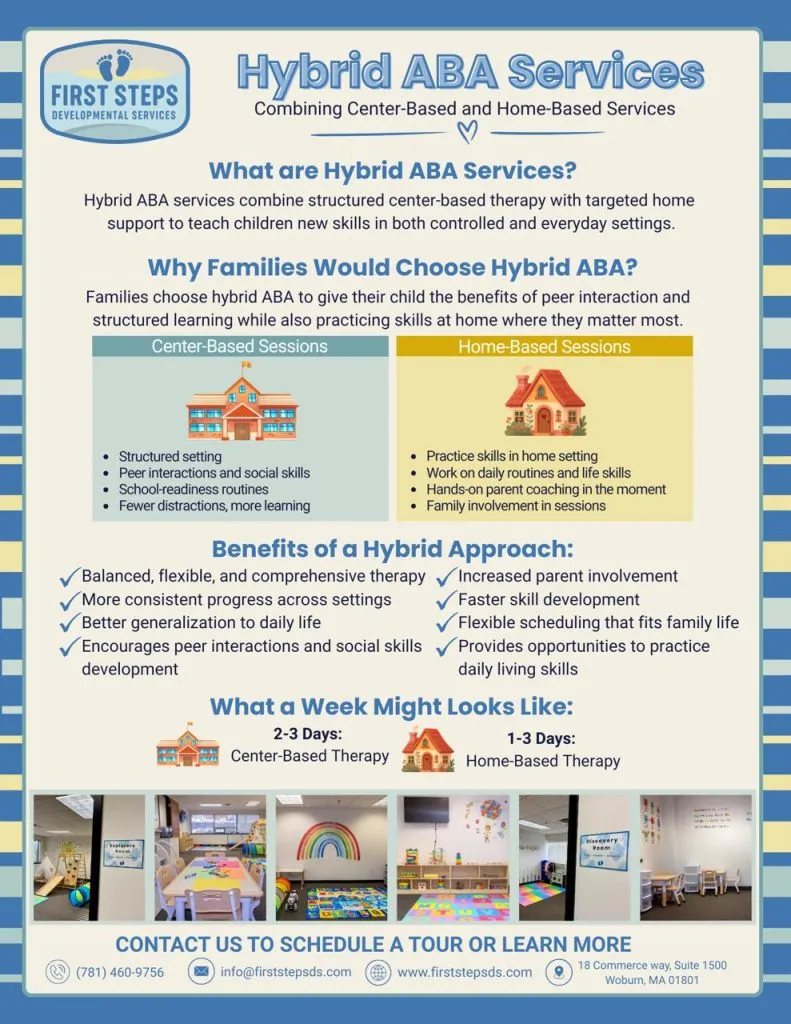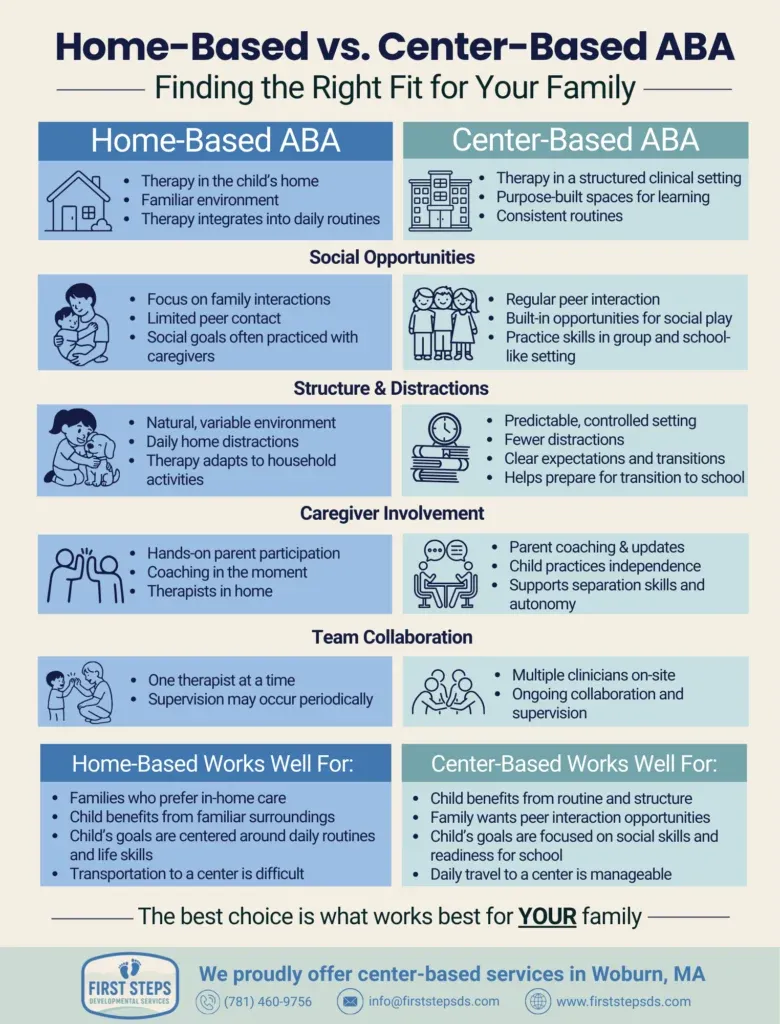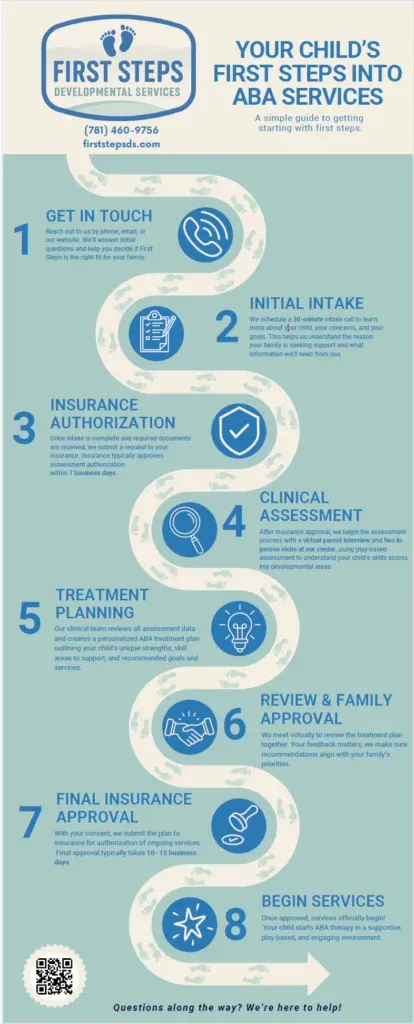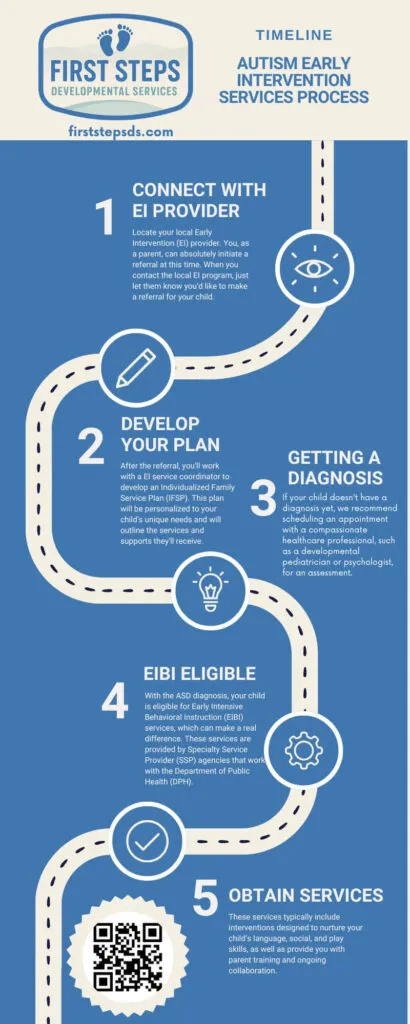
We created this infographic to break down the key differences so families can make the choice that feels right for their child and their lifestyle. Home-based services offer comfort and familiarity, while center-based programs provide structured routines, peer interaction, and access to a full clinical team.
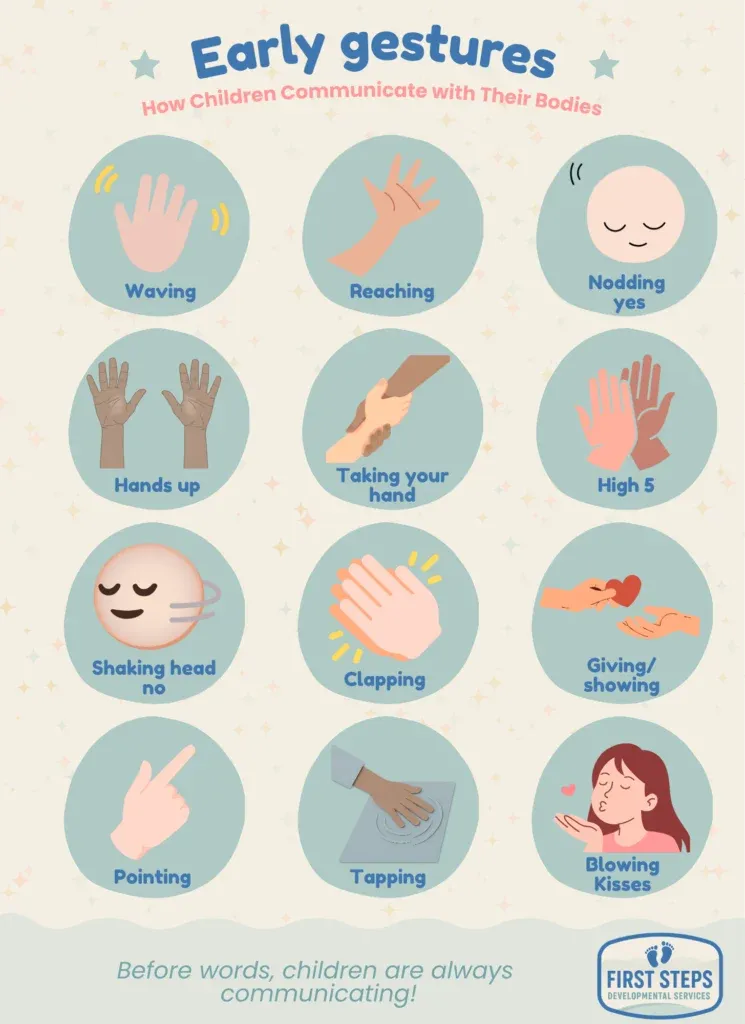
This infographic displays early gestures that children could use to communicate and early gestures are a prerequisite to more complex language development. Early gestures is critical to establishing a foundation of language learning.
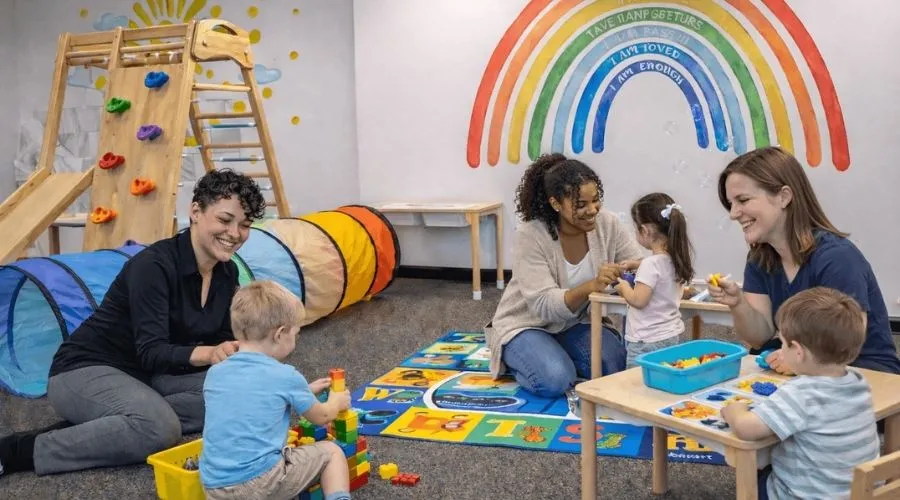
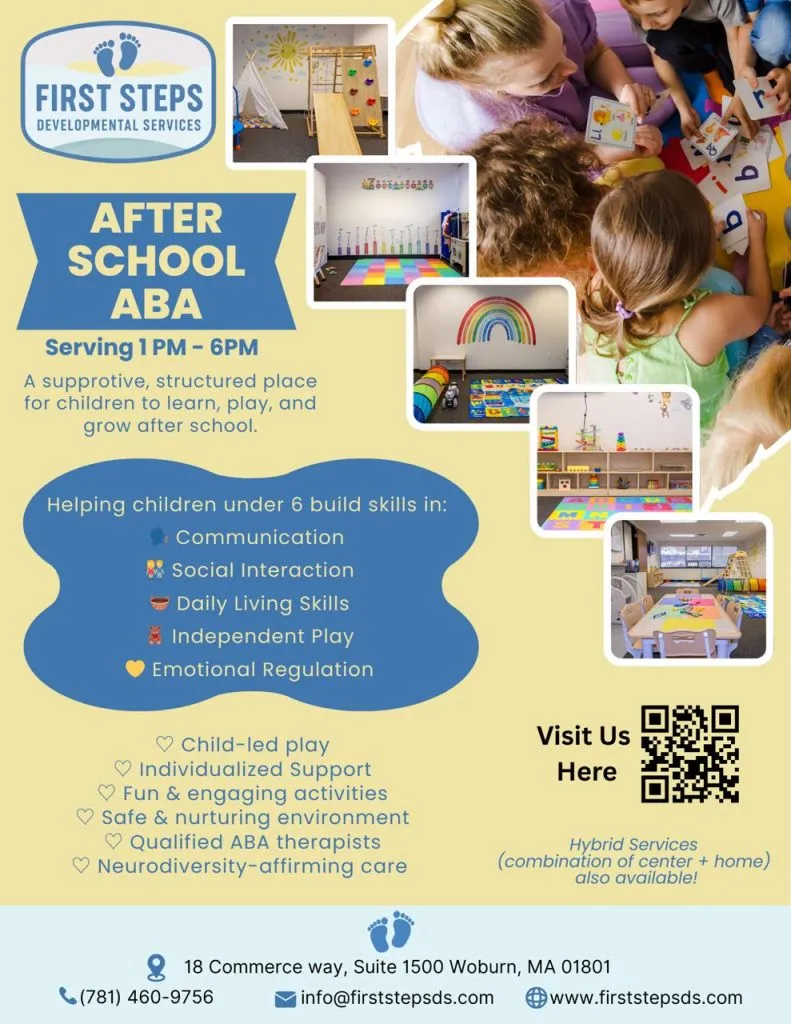
At First Steps, we proudly offer high-quality, play-based center-based ABA services designed to support learning, social growth, and meaningful progress in a collaborative environment. No matter which setting you choose, what matters most is finding a program that aligns with your child’s needs and your family’s goals.
autism resources for parents, center for parent information and resources, intervention, infographics, autism support
first step aba, news from autism world, autistic kids news, autism news, aba news, first steps center for autism and developmental disabilities, first steps developmental services, autism in kids, behaviors, autism definition, happy ladders, level one asd, first steps autism, infografía
Autism Spectrum Disorder (ASD) encompasses a range of neurodevelopmental conditions characterized by challenges in social interaction, communication, and repetitive behaviors. Understanding these aspects is crucial for families as they navigate the complexities of autism.
Each individual with ASD presents unique strengths and challenges, making personalized support essential. Early diagnosis and intervention can significantly improve outcomes, fostering essential skills for daily living and social engagement.
Applied Behavior Analysis (ABA) therapy is a widely recognized treatment for autism that focuses on improving specific behaviors while reducing unwanted behaviors. This evidence-based approach employs techniques to reinforce positive behavior changes.
ABA therapy is tailored to meet the needs of each child, often incorporating play-based methods to engage children effectively. Families can expect to see improvements in communication, social skills, and daily living skills through consistent and structured ABA interventions.
Support for parents and caregivers is vital in the autism journey, as navigating the intricacies of the healthcare and educational systems can be overwhelming. Resources are available to provide guidance and emotional support to families.
Workshops, coaching sessions, and support groups are invaluable for sharing experiences and learning effective strategies. Engaging with other families can foster a sense of community and provide practical insights into managing challenges associated with autism.
Transitioning to school can be a significant milestone for children with autism, and understanding what to expect can ease anxiety for both parents and children. Preparing for this transition involves collaboration between families, educators, and therapists.
Schools often provide Individualized Education Plans (IEPs) tailored to meet the unique needs of each child. Familiarizing children with the school environment and routines can help them adjust more comfortably, promoting a positive educational experience.