
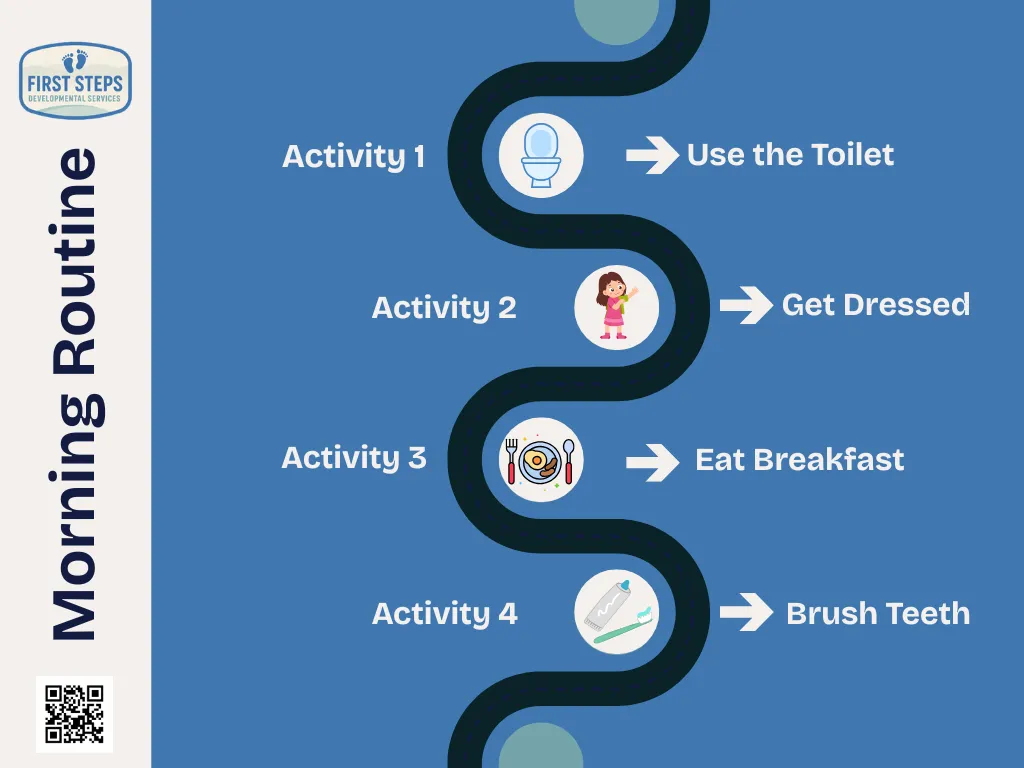
Benefits of Visual Aids in Daily Routines
Visual aids play a crucial role in helping children manage their daily routines effectively. By providing a clear and structured representation of tasks, these tools can reduce anxiety and improve focus, making it easier for children to follow through with their morning activities.
For example, a morning routine chart can visually outline steps such as brushing teeth, getting dressed, and eating breakfast. This not only helps children understand what is expected of them but also fosters independence as they learn to refer to the visual aid themselves.
Creating an Effective Morning Routine Template
Designing a morning routine template that suits your child's needs is essential for success. The template should be simple, visually appealing, and tailored to the specific tasks your child needs to complete each morning.
Consider incorporating colorful images or icons to represent each activity, as well as using a checklist format that allows children to mark off completed tasks. This approach not only makes the routine engaging but also provides a sense of accomplishment as they see their progress throughout the morning.
Tips for Implementing Routines with Children
Implementing a structured routine can be challenging, but with the right strategies, it can become a seamless part of your child's day. Consistency is key; ensure that the routine is followed at the same time every day to help establish a sense of security and predictability.
Additionally, involve your child in the process by allowing them to participate in creating the routine. This can increase their investment and willingness to follow it. For instance, let them choose which tasks to include or how to decorate their routine chart.
Adapting Routines for Different Developmental Stages
As children grow, their developmental needs change, and so should their routines. It's important to regularly assess and adapt the morning routine to align with your child's evolving skills and independence.
For younger children, routines may need to be more hands-on with adult guidance, while older children can take on more responsibility. Adjusting the routine to reflect these changes not only supports their growth but also encourages self-reliance and confidence in their abilities.