
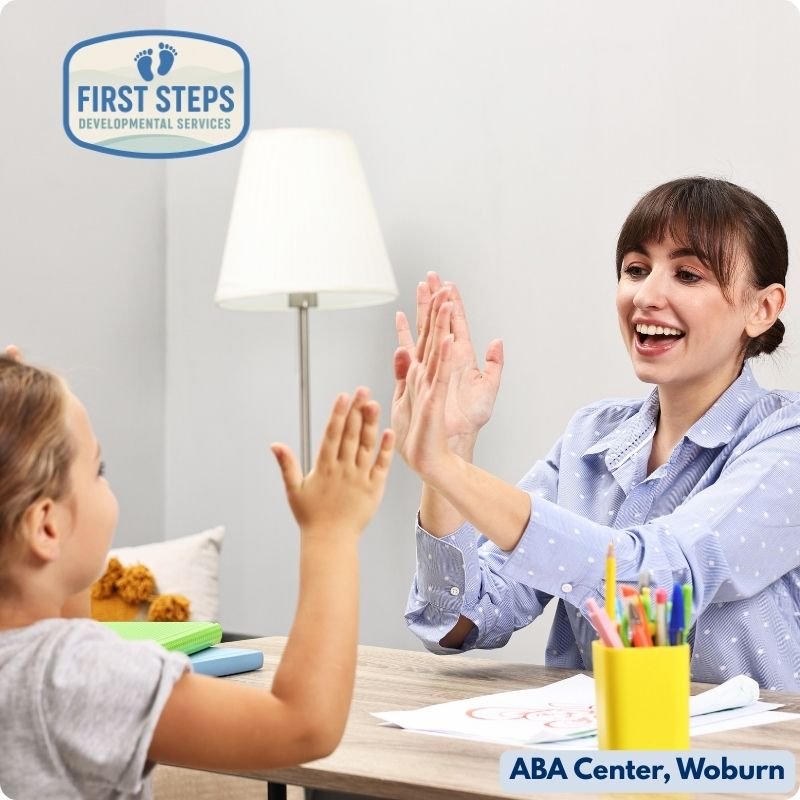
What Is ABA Therapy?
Applied Behavior Analysis (ABA) therapy is an evidence-based approach that supports children in developing meaningful skills that help them participate more successfully in daily life. ABA focuses on understanding how behavior works, how skills are learned, and how supportive strategies can encourage positive growth.
ABA therapy is commonly used with young children, including those with developmental delays or autism, and is designed to be individualized to each child’s needs.
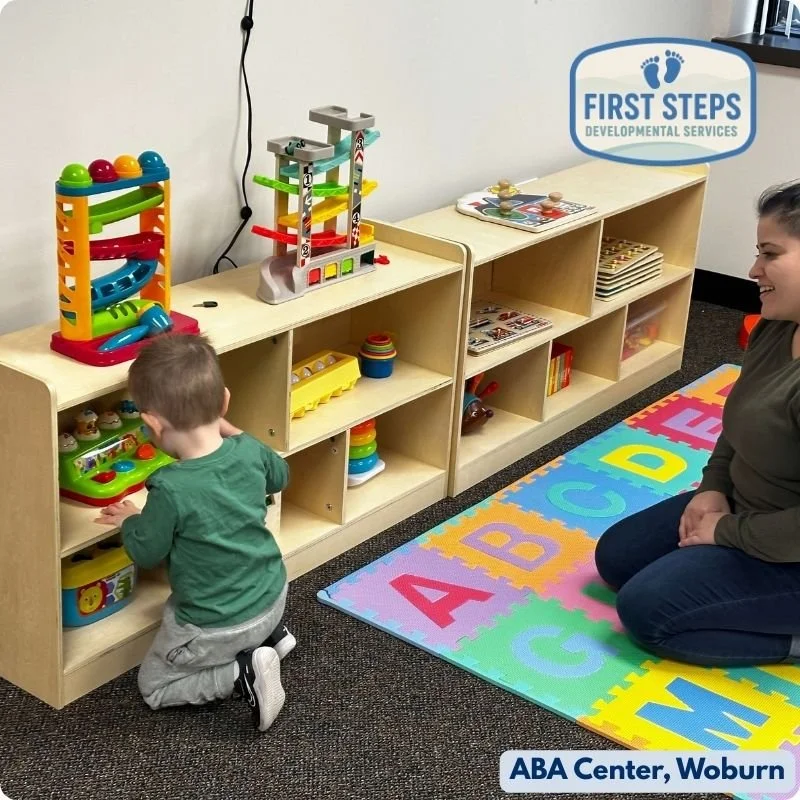
How ABA Therapy Works
ABA therapy is built around observing a child’s strengths, needs, and learning style. Support strategies are then carefully planned to help children practice skills in a structured, supportive way.
These strategies may focus on areas such as communication, social interaction, daily routines, and adaptive skills, always respecting the child’s pace and individuality.
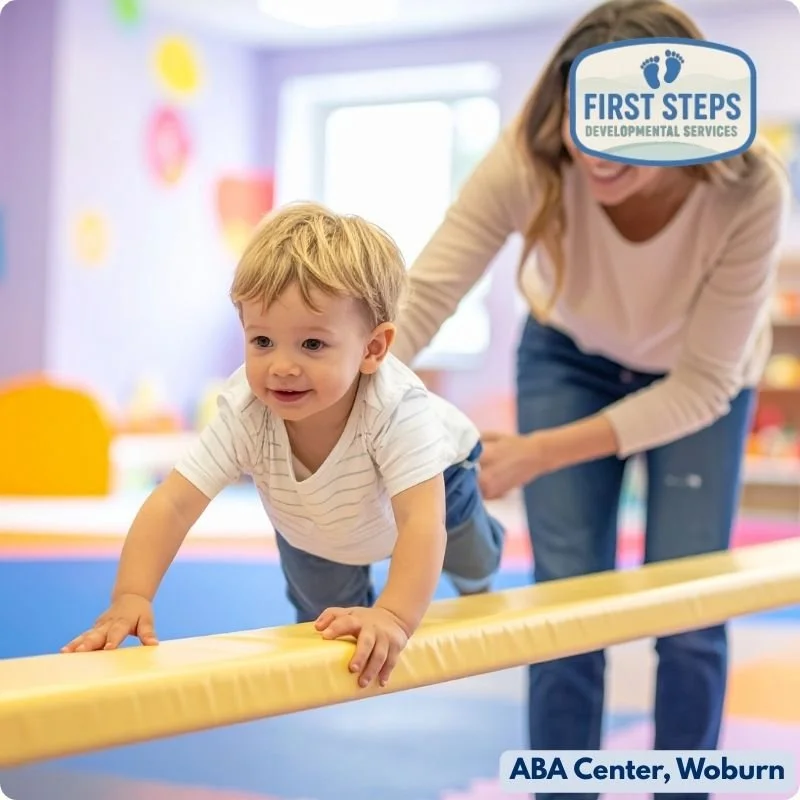
ABA Therapy for Young Children
When ABA therapy is provided early in a child’s development, it can support foundational skills that are important for learning, independence, and engagement with others. Early support is often referred to as early intervention, but it is not a separate therapy — it is ABA delivered during early developmental stages.
Programs for young children are typically play-based, individualized, and adjusted as the child grows and develops.
Common Questions Parents Have About ABA
Parents often want to understand what ABA therapy looks like in practice and how it fits into a child’s daily life. ABA therapy focuses on helping children learn skills through structured, supportive activities that are meaningful, age-appropriate, and tailored to the child’s individual needs.
Sessions are designed around real-life routines such as play, communication, transitions, and everyday interactions. Goals are adjusted over time as the child develops, with ongoing communication between families and the clinical team.
Learn More About ABA Therapy Services
For families who would like to explore how ABA therapy services are delivered and how programs are structured, additional information is available through our ABA Therapy Services.
Frequently Asked Questions
Still have questions? Explore our FAQs or reach out anytime. When you’re ready, we’re here to help you get started.
-
ABA therapy can support children at different developmental stages. Early childhood is a common starting point, but programs are individualized based on the child’s needs rather than age alone.
-
Sessions may include play-based activities, guided practice, and structured routines that support skill development in communication, social interaction, and daily living.
-
Families are involved through collaboration, shared goal-setting, and ongoing communication to help ensure consistency across environments.
-
Goals are reviewed regularly and updated as the child develops new skills, ensuring support remains appropriate and meaningful.