
20 Years in Special Education: What We’ve Learned and Why First Steps Developmental Services Was Founded
For more than 20 years, Jarrod Scalzo has worked closely with children, families, and educators within the field of special education. Throughout this time, he has witnessed firsthand the important role early intervention plays in supporting children with developmental delays or autism and the lasting impact it can have on families.
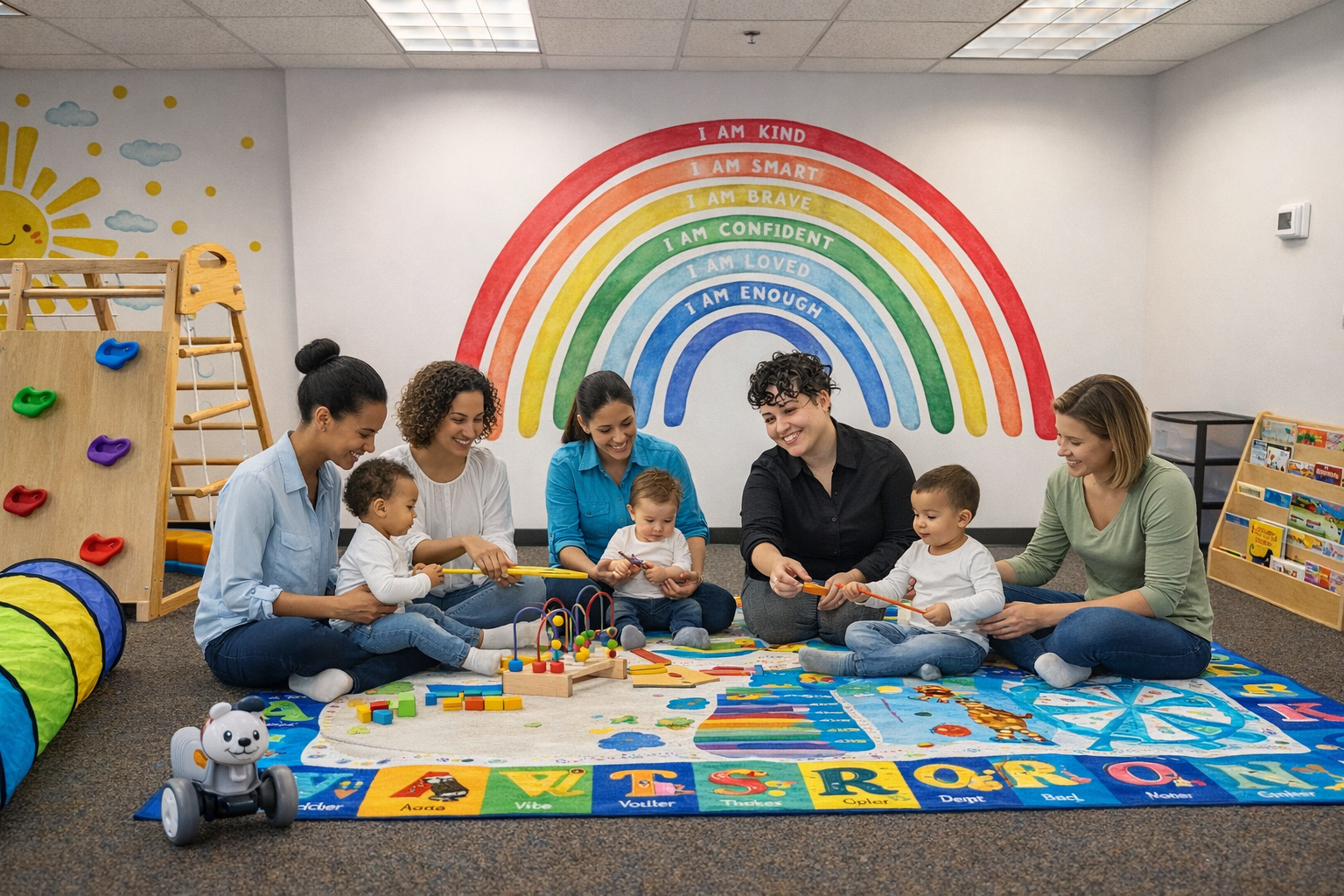
These experiences shaped the foundation of First Steps Developmental Services (First Steps) — a forward-looking organization built around individualized, play-based Applied Behavior Analysis (ABA) services and strong family-centered support. First Steps was created with a clear vision: to equip caregivers with the knowledge, tools, and guidance they need, while supporting children as they take their earliest developmental steps. First Steps is designed to support young children with autism, Down syndrome, and developmental delays through individualized, play-based ABA services and family-centered early intervention support.
How 20 Years of Experience Shaped a Family-Centered Approach at First Steps
Two decades of experience in special education have provided invaluable insights into what truly makes early intervention programs effective. According to the CDC, early identification and support play an important role in supporting healthy development during early childhood. Research from organizations like the National Institute of Child Health and Human Development (NICHD) also highlights the critical role of early intervention in child development. A significant lesson learned is the paramount importance of individualized, play-based learning. This approach, which tailors educational experiences to meet the unique developmental needs of each child, fosters engagement and supports optimal development. Additionally, family-centered support has consistently emerged as an important component of early intervention. By deeply involving families in the process, First Steps was intentionally designed to address the specific needs of children and contribute to a supportive environment for growth. These principles are the bedrock upon which First Steps is built.
How Individualized, Play-Based Learning Informs Our Approach to Child Development
Individualized, play-based learning is recognized as a transformative approach in early childhood education. This method encourages children to explore and learn at their own pace, which is essential for fostering creativity and critical thinking skills. Research consistently indicates that play-based learning approaches are associated with supporting cognitive, social, and emotional skill development. For instance, structured play activities are commonly used to support the development of problem-solving abilities and communication skills. These outcomes highlight the effectiveness of personalized learning experiences, and they are precisely why this approach is central to the curriculum at the center, supporting positive child development from day one.
Why Family-Centered Support is a Cornerstone of First Steps
Family-centered support is a cornerstone of early childhood intervention, a principle reinforced by decades of experience. At First Steps, ongoing communication and collaboration with families are built into every stage of care, encouraging them to play an active role in their child's educational experience. This involvement helps prioritize their needs for coaching and training, equipping them with the tools necessary for success. By fostering strong partnerships between families and service providers, First Steps Developmental Services aims to create a more holistic approach to child development, aiming to support better outcomes for children. Resources from organizations like the Autism Society further emphasize the importance of family support and community engagement.
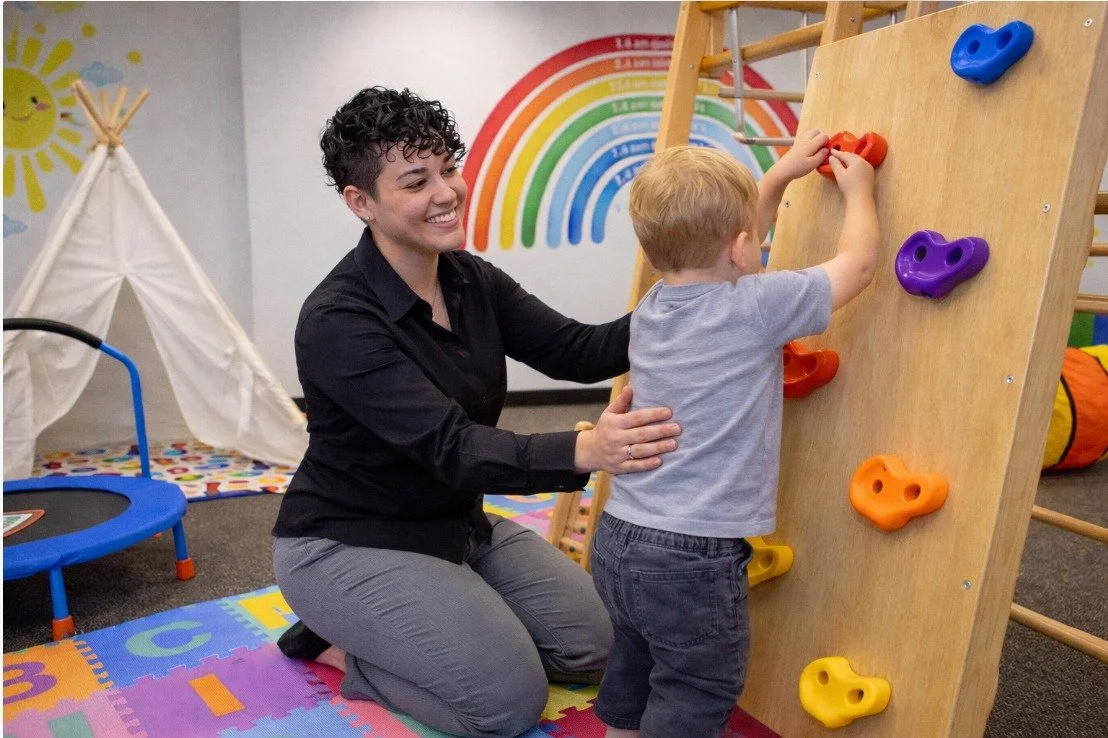
Family involvement plays an important role in early learning environments. When caregivers are informed, supported, and included, children benefit from consistency and shared understanding across home and center settings.
The Vision for First Steps: Long-Term Benefits of Our Approach
At First Steps Developmental Services, our vision extends beyond immediate developmental needs; we aim to be a trusted and leading resource for children and families navigating the journey of early intervention. Drawing on extensive research and professional experience, First Steps is committed to laying a strong foundation for future success by providing access to essential knowledge, compassionate family-centered support, and evidence-based Applied Behavior Analysis and special education services. We believe that high-quality early intervention empowers families and helps children reach their full potential, fostering long-term impact that influences academic performance, social interactions, and overall quality of life. Our goal is to help children work toward key developmental milestones—such as communication, social interaction, and emotional regulation—while ensuring a strong foundation for future growth.
These educational approaches are designed to support development in a center-based setting. Outcomes vary by child, and services are not medical treatment.
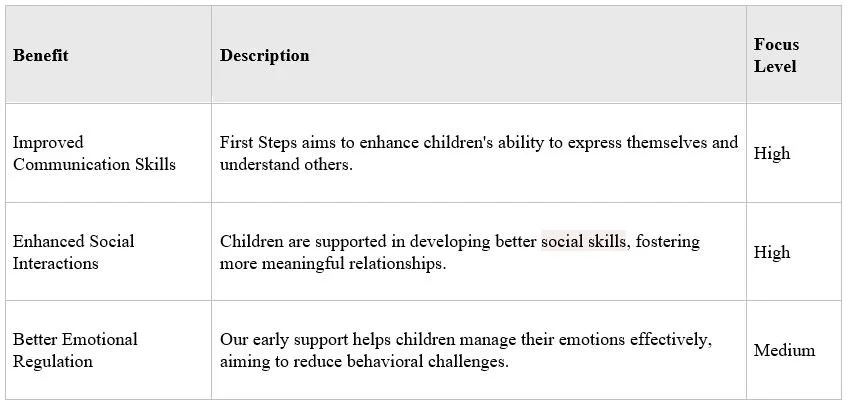
These long-term benefits underscore the importance of investing in early intervention programs, as they aim to support skill development that can help children navigate future environments across various aspects of life. This is the future we are building at First Steps.
How First Steps Will Support Communication and Social Skills
At First Steps, we are committed to supporting communication and social skills by providing structured, individualized support tailored to young children during their early developmental stages. This support is often delivered through Applied Behavior Analysis (ABA) therapy, which focuses on building communication skills in a nurturing and safe environment. Additionally, families are actively involved in the process, which enhances the child's educational experience and aims to support better outcomes in communication and social interactions. By prioritizing these skills early on, children are better prepared to navigate social situations and build meaningful relationships throughout their lives.
Evidence Supporting ABA Therapy’s Role in Developmental Milestones
The role of ABA therapy in supporting developmental milestones is well-documented in research, a principle that guides the First Steps' services. Studies indicate that ABA therapy is commonly associated with supporting the development of communication, social, and adaptive skills. For instance, a meta-analysis of multiple studies indicates that ABA therapy is commonly associated with supporting language and social skill development when used as part of early intervention. This evidence highlights the role of ABA therapy as an important component of early intervention services, supporting children in reaching their developmental potential at our center in Woburn. First Steps Developmental Services is also a proud member of the Council of Autism Service Providers (CASP), reflecting its commitment to professional standards and ethical practices in the field.
First Steps' Center-Based Services: Enhancing Child Development
At First Steps Developmental Services in Woburn, the center-based ABA therapy model is designed to enhance child development by providing structured, individualized support in a nurturing and safe environment. The First Steps setting allows for direct supervision by a Board Certified Behavior Analyst (BCBA), aiming to ensure that children receive tailored interventions that focus on supporting communication skills and other crucial developmental areas. Additionally, the model emphasizes ongoing communication and collaboration with families, encouraging their active involvement in the therapy process, which further supports the child's growth and learning from the very beginning.
What Makes Play-Based ABA Therapy Effective for Young Children at First Steps?
Play-based ABA therapy is particularly effective for young children, and it's a cornerstone of our approach at First Steps. It integrates learning with play, making the therapeutic process enjoyable and engaging. This method allows children to learn new skills in a naturalistic setting, promoting retention and generalization of skills across different environments. By using play as a medium for learning, our therapists can create meaningful interactions that resonate with children's interests, aiming for more effective outcomes. The combination of structured learning and play fosters a positive attitude towards therapy, encouraging children to participate actively in their own development.
How Our Center-Based Services Support Consistent Developmental Progress
Our center-based services at First Steps Developmental Services in Woburn, MA, are meticulously designed to support consistent developmental progress by providing a structured and nurturing environment where young children can receive individualized support. These services are supervised by a Board Certified Behavior Analyst, aiming to ensure that children benefit from expert guidance in building essential skills such as communication. Additionally, the involvement of families in the process fosters ongoing communication and collaboration, which is crucial for the child's educational experience and overall development. This structured approach not only enhances learning but also supports children as they work toward their developmental milestones more effectively from the moment they join us.
Empowering Families: A Core Principle at First Steps
Empowering families through parent coaching and collaborative support is not just a service we offer; it is a core principle at First Steps Developmental Services. As a parent himself, Jarrod Scalzo, the founder of First Steps, understands the responsibilities, emotions, and challenges that come with raising a family. His perspective as a parent, combined with his professional background, informs a compassionate and practical approach to family support.
His extensive experience working closely with parents for many years in special education has further reinforced his commitment to supporting and reducing stress for families navigating complex special education journeys. We involve families as essential participants in the service process, recognizing their invaluable role. Ongoing communication and collaboration are integral at every stage of care, allowing families and caregivers to play an active role in their child's educational experience. We prioritize their needs for coaching and training, providing the necessary tools for their success. This empathetic approach aims to equip caregivers with the knowledge and resources to confidently guide their children through the challenges of parenthood and new developmental considerations, fostering a true partnership.
What Are the Benefits of Caregiver Involvement at First Steps?
1. Active Role: Caregivers are encouraged to play an active role in their child's educational experience from the outset.
2. Ongoing Communication: There is built-in communication and collaboration at every stage of care, fostering transparency and partnership.
3. Coaching and Training: Caregivers can prioritize their needs for coaching and training, receiving tools for their success.
4. Support for Child's Development: Caregiver involvement helps in providing structured, individualized support to support communication skills and other developmental areas.
These benefits highlight the importance of engaging families in the intervention process, aiming to support better outcomes for children at First Steps.
Shaping Family Collaboration at First Steps: Lessons from 20 Years
The approach to family collaboration at First Steps Developmental Services in Woburn, MA, has been profoundly shaped by decades of experience in special education. While First Steps opened in December 2025, its collaborative model is built on decades of observing what truly works. Initially, the focus in the field was often primarily on direct service delivery, but as understanding of family dynamics and the importance of caregiver involvement grew, the need for a more deeply collaborative model became clear. This evolution has informed the way First Steps is structured, including plans for regular family meetings, comprehensive training sessions, and feedback mechanisms at the center, aiming to ensure families are actively engaged in their child's development from day one. By fostering a culture of collaboration, First Steps aims to enhance the effectiveness of its services and support positive outcomes for children and families alike, drawing on best practices refined over many years.
A Vision for Impact: Building Success Stories at First Steps
Two decades of experience in special education have provided countless success stories that fuel First Steps Developmental Services' vision for the future. These past successes not only highlight the role of well-designed programs but also serve as a source of inspiration for other families facing similar challenges. At our center, we are committed to creating a new generation of success stories, building on this foundation of proven impact in Woburn and surrounding communities.
Which Developmental Milestones Will Our Programs Help Children Work Towards?
First Steps Developmental Services' programs are designed to help support milestone development:
1. Communication Skills: We aim for children to progress from limited verbal communication to expressing their needs and thoughts effectively.
2. Social Skills: Children are supported in developing the ability to engage in play with peers, fostering friendships and social connections.
3. Independence: Through targeted interventions, children are supported in gaining skills that promote self-sufficiency, such as dressing themselves and following routines.
These milestones reflect the important role of early intervention and the dedication of families and therapists working together towards common goals, a vision we are excited to bring to life at our center.
How Local Community Outcomes Will Reflect Our Commitment to Early Intervention
The commitment of First Steps Developmental Services in Woburn to early intervention aims to be evident in the positive outcomes observed within the local community. We envision families reporting increased satisfaction with their children's progress, and many sharing their success stories with others, fostering a supportive network. Additionally, we are actively establishing community partnerships to raise awareness about the importance of early intervention, aiming to support increased access to resources and services for families in need. This collaborative approach will not only benefit individual families but also strengthen the community as a whole, reflecting our dedication from the very beginning.
Navigating Challenges: Our Experience and First Steps' Proactive Approach
The journey in early intervention often presents challenges, a reality observed over two decades of experience. Various obstacles have been observed, including limited access to services, funding considerations, and the need for ongoing staff training. However, through strategic planning and community engagement, strategies for effectively addressing these challenges have been developed. At our center, we are proactively designing our services to mitigate these issues from day one, drawing on these valuable lessons.
How First Steps Navigates Service Options and Service Access for Families
At First Steps, navigating service options and service access for families is a priority. The first step is always to reach out to our service provider to discuss your child's developmental and educational needs and next steps. Families are encouraged to be actively involved in the service process, with ongoing communication and collaboration built into every stage of care. Additionally, First Steps Developmental Services accepts most major insurance plans and our team can assist families in understanding their coverage options. For more information, families can contact us via phone, aiming for a smooth and accessible start to their journey.
What Strategies Support Emotional Well-Being for Families During Intervention at First Steps?
Supporting the emotional well-being of families during the intervention process is paramount at First Steps. Several key strategies are implemented to support families:
1. Regular Check-Ins: Frequent communication with families to address concerns and provide updates on progress, fostering a sense of partnership.
2. Support Groups: Offering opportunities for families to connect with others facing similar challenges, fostering a sense of community and shared experience.
3. Resource Provision: Providing families with access to educational materials and workshops that empower them to support their child's development effectively.
These strategies help create a supportive environment that promotes emotional well-being for families throughout their journey with First Steps Developmental Services.
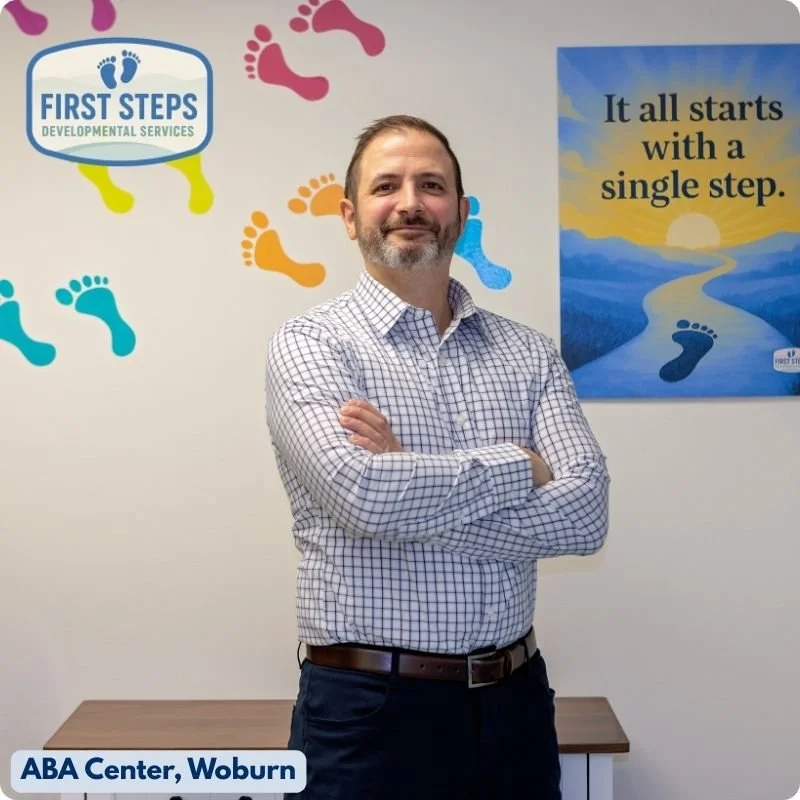
Jarrod Scalzo: Experience Behind First Steps Developmental Services
This February, Jarrod Scalzo celebrates two decades of dedicated work in special education. Over these 20 years, he has had the opportunity to witness the important role of early intervention programs in supporting families with children facing developmental delays or autism. His journey has provided invaluable insights into effective strategies for child development, shaping the vision for what truly impactful support looks like.
It's this extensive experience that inspired Jarrod to embark on a new chapter: opening First Steps Developmental Services (First Steps) in Woburn in December 2025. First Steps is a center-based facility in Woburn designed to embody the most crucial lessons learned. As Jarrod reflects on his career, the center was founded to support children in making meaningful progress at this foundational stage of their lives and also to empower families with the knowledge to be the strongest advocates for their children. Jarrod Scalzo's background includes Cornell University–certified training in applied behavior analysis, further informing the First Steps' approach. His 20 years of experience also deeply inform the core principle of empowering families at First Steps.